
Social Protection Programme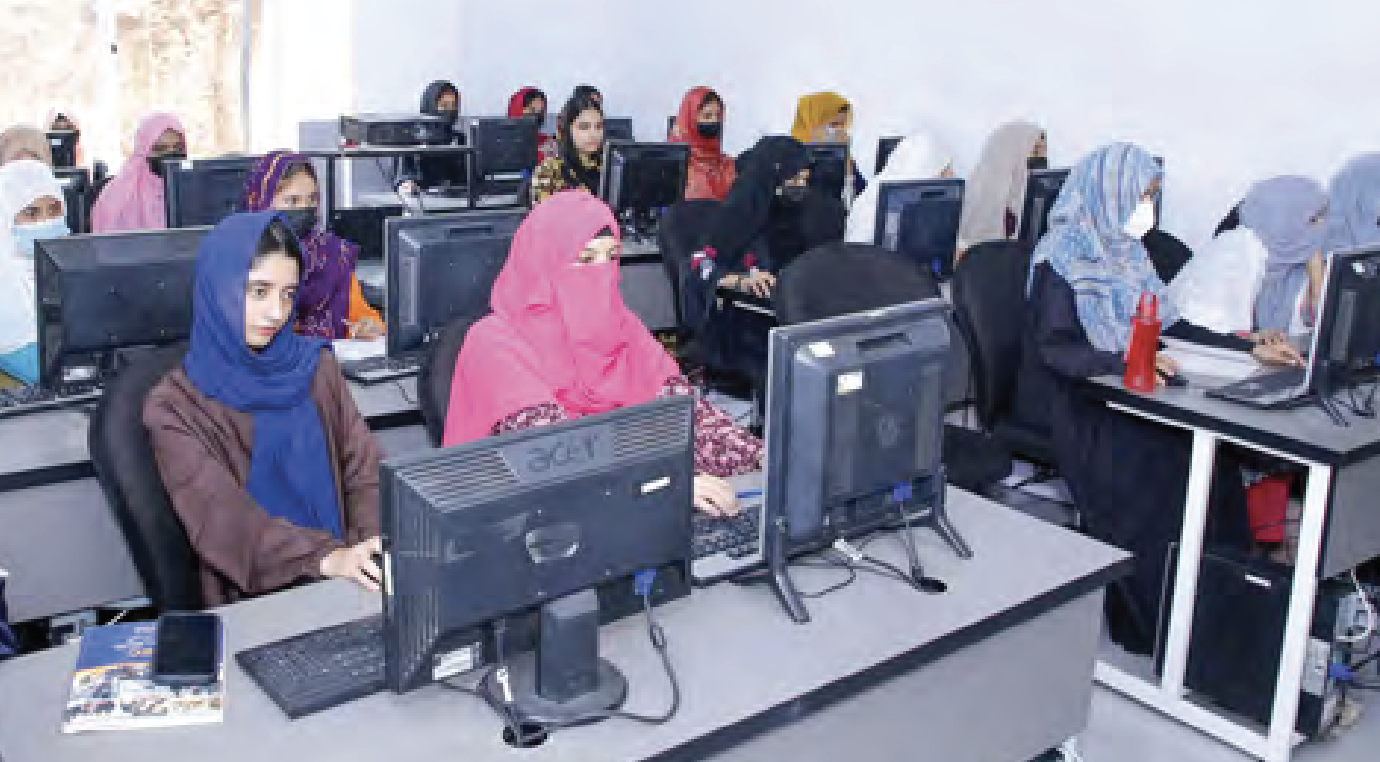
Introduction:
Social protection is regarded as a basic right and simply concerned with avoiding, controlling and overcoming situations that have a negative impact on people’s well-being. It involves planning and designing programs in order to alleviate poverty, suppressing factors that hinder human development and diminishing agents which risk human growth. The hazards might be on a local scale, impacting homes, or on a big scale, affecting towns and nations. Its main objective is to assist communities in coping with poverty, misery and vulnerability.
Several organizations define social protection in a distinctive manner though they all point to the same objective which is improving livelihoods. International Labor Organization labels social protection as a human right and defines it as the set of policies and programmes designed to reduce and prevent poverty and vulnerability throughout the life cycle. Social protection includes benefits for children and families, maternity, unemployment, employment injury, sickness, old age, disability, survivors, as well as health protection.
Social protection systems address all these policy areas by a mix of contributory schemes (social insurance) and non-contributory tax-financed benefits, including social assistance. Similarly, the World Bank Group asserts that social protection and labor systems, policies, and programs help individuals and societies manage risk and volatility and protect them from poverty and destitution – through instruments that improve resilience, equity, and opportunity.
UNICEF emphasizes greatly on the importance of social protection and well-being. It alleges that social protection is a set of policies and programmes aimed at preventing or protecting all people against poverty, vulnerability and social exclusion throughout their life-course, with a particular emphasis towards vulnerable groups.
On the other hand, Pakistan is one of the few developing countries whose constitution explicitly states that social security is a basic right. Article 38 (d) and (e), (Principles of Policy) of the Constitution of Pakistan states: The State shall provide for all persons employed in the service of Pakistan or otherwise, social security by compulsory social insurance or other means; provide basic necessities of life such as food, clothing, housing, education and medical relief, for all such citizens, irrespective of sex, creed, caste, or race, as are permanently or temporarily unable to earn their livelihood on account of infirmity, sickness or unemployment; reduce disparity in the income and earnings of individuals.
According to the Multi-Dimensional Poverty Index (MPI), 541 million poor people are in South Asia, out of which 75 million were in Pakistan and 40 million were children. Poverty at this scale means that communities, where such poverty-struck people reside, do not have access to the quantity, quality, or standard of basic amenities.
Institute of Rural Management (IRM) tends to pre-plan strategies, programs, and policies to implement them with the intention of facilitating people and providing the essential amenities for their wellbeing so they could resist the repercussions of long-term poverty and increasing inequality. IRM designs strategies to prevent poverty and inequality from affecting targeted beneficiaries and aims to assist chronically impoverished households.
IRM’s Social Protection Programme is a key step toward a prosperous Pakistan. The mission is to combat poverty and exclusion by developing a platform focused on the needs of the poorest and most vulnerable through protection, security, education, and training.
The components of social protection:
- Social Protection
- Socio-economic security
- Water Security
- Food Security
- Shelter
- Social assistance and welfare service: Response to Disaster/Pandemic
Social Protection through IRM SMART Schools
IRM has established “Smart Schools” to support children from disadvantaged families by offering low-cost but quality primary education. The concept revolves around community mobilization and awareness about education. IRM currently runs 76 Smart Schools—32 in Sindh, 40 in Lahore (Punjab), and 4 in Islamabad—with more than 2,403 enrolled students.
Socio-Economic Security through IRM Smart STEP
IRM’s Smart STEP initiative provides vocational and entrepreneurial training to marginalized youth from urban slums. The aim is to empower men and women, including widows, orphans, the disabled, and others, to achieve financial independence.
Economic Security: Cash funding for start-ups
IRM distributed PKR 7.3 million to 848 individuals in South Punjab to help them launch businesses or gain employment after training.
Water Security: Access to clean Drinking Water
IRM installed two water pumps in Sindh and has six more in process in Sindh and KP to improve access to clean water, especially near Smart Schools.
Food Security
Provision of Ration: IRM raised PKR 2.044 million and delivered one-month ration packs to 733 families in Punjab, Sindh, and Islamabad. Each ration bag could feed six people for one month.
Provision of Food to Impoverished Children: IRM, in partnership with donors, provides food to Smart School students suffering from malnutrition.
Shelter through Tent City
IRM established three tent cities in flood-affected Jamshoro, Sindh, supporting 2,500 families with transitional shelters and camp management structures.
Social Assistance and Welfare Service: Response to Disaster/Pandemic
Awareness Raising: IRM conducted COVID-19 awareness sessions through social media, email, and printed materials. Special focus was given to women and vulnerable communities.
Provision of Health and Hygiene Kits and Training:
- 73,000 households trained under WASH project in six Sindh districts.
- 3.56 million health/hygiene items distributed including hygiene kits, buckets, jerry cans, aqua tabs, etc.
Recovery and Restoration:
- IRM supported flood-hit communities in early recovery and infrastructure rebuilding in Thatta, reducing dependence on aid.
Relief & Rehabilitation Work in Earthquake 2005:
- Provided artisan training for earthquake-resistant housing in AJK and Muzaffarabad.
- Trained communities on water supply maintenance, hygiene promotion, and reconstruction best practices.
Contact Information:
Email: nausheen@irm.edu.pk
Address: IRM Complex, #7, Sunrise Avenue, Park Road, Near COMSATS University, Islamabad, Pakistan.
Contact number: +92 51 8742201-7