



Every child deserves more than survival. Every child deserves safety, education, good health, dignity and the opportunity to build a better future.
For more than three decades, IRM has worked with vulnerable communities across Pakistan to translate this belief into meaningful action. Although IRM is a multi-sectoral development and capacity-building organization, children and young people remain at the heart of a substantial part of its work.
Through education, protection, healthcare, skills development and family engagement, IRM supports children throughout some of the most important stages of their lives. Its interventions extend from early childhood education to technical and vocational training for adolescents preparing to enter the workforce.
At the center of this commitment is a simple but powerful goal: to bring vulnerable children from the street into the classroom and help them remain there.
Education as a Pathway to Opportunity
For children affected by poverty, displacement or social exclusion, entering a classroom can be the first step towards transforming their lives. IRM works to expand access to education through schools, non-formal education, literacy initiatives, enrolment campaigns, learning support and teacher training.
The IRM Smart Schools Programme is a prominent example of this commitment. The initiative began with ten schools, five supported by Akhuwat and five by IRM seven years ago, and has since expanded to approximately 135 schools across Pakistan. These schools provide children from underserved communities with access to structured learning in a supportive environment.
However, enrolling a child is only the beginning. IRM also focuses on school retention, learning quality and the factors that frequently force vulnerable children to leave education. These may include household poverty, child labour, lack of documentation, disability, displacement, family pressures or limited awareness among parents.
By working with teachers, parents and communities, IRM seeks to create an environment in which children are encouraged not only to attend school but also to learn, participate and develop confidence.
Protecting Childhood
A child cannot learn effectively while experiencing fear, abuse, neglect or exploitation. Child protection is therefore closely connected to IRM’s educational and community-development work.
IRM promotes awareness about the prevention of child labour, trafficking, abuse, neglect, early marriage, exploitation and violence. Awareness sessions engage parents, men, women, teachers and community representatives because the protection of children is a shared responsibility.
Communities are encouraged to recognize risks, report concerns and understand the rights of children. Particular attention is given to children who may otherwise remain invisible: street-connected children, orphans, refugees, children with disabilities and those affected by poverty, conflict or natural disasters.
IRM’s approach is based on dignity rather than charity. Vulnerable children are not passive recipients of assistance; they are individuals with rights, abilities, aspirations and the potential to contribute meaningfully to society.
Caring for Children’s Health
Education and health are inseparable. Poor eyesight, malnutrition, untreated illness or other medical conditions can adversely affect a child’s attendance, concentration and academic progress.
Children enrolled in IRM-supported schools receive an annual medical examination. A health booklet is maintained for each child so that observations, medical needs and follow-up actions can be recorded over time. Where a serious illness or condition is identified, IRM facilitates the child and family in seeking appropriate hospital admission or specialized medical care.
This system helps identify health concerns that might otherwise remain undiagnosed, particularly among families with limited access to routine healthcare. It also reassures parents that the school is concerned with the child’s overall wellbeing—not only academic performance.
A Strong Beginning through Early Childhood Education
The earliest years of life play a decisive role in a child’s cognitive, emotional and social development. IRM’s Early Childhood Care and Education centers provide preschool learning, early stimulation and age-appropriate activities in a safe and welcoming setting. IRM operates 19 ECCE Centers currently.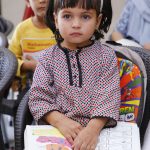
These centers help young children develop language, confidence, curiosity, creativity and social skills before entering formal education. They also provide parenting support, enabling mothers, fathers and caregivers to better understand nutrition, responsive care, positive discipline and the developmental needs of young children.
Investing in early childhood education helps children begin school better prepared to learn. It also reduces the likelihood that children from disadvantaged backgrounds will fall behind during their first years of education.
Preparing Adolescents for Decent Employment
IRM’s responsibility towards young people does not end when they reach adolescence. For young people between 15 and 18 years of age, particularly those who may not continue into higher education, relevant skills can provide a pathway out of poverty and vulnerability.
IRM offers a wide variety of age-appropriate technical, vocational, digital and employability training programmes. These courses are designed to equip young people with practical and market-relevant competencies that can lead to gainful and decent employment, self-employment or further professional development.
Alongside technical instruction, young participants develop communication, teamwork, workplace discipline, problem-solving and digital skills. These competencies help them make the transition from education or training into responsible adulthood and productive employment.
Skills development also contributes to child protection. A young person with recognized skills, greater confidence and realistic livelihood opportunities is less vulnerable to exploitative labour, unsafe migration and other forms of abuse.
Parents and Teachers as Partners
Children thrive when schools and families work together. IRM therefore holds quarterly parent–teacher meetings to discuss children’s attendance, learning progress, health, behaviour and general wellbeing.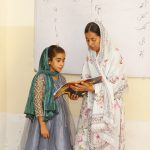
These meetings are not limited to academic updates. They create opportunities to raise awareness about child protection, juvenile justice, policy developments and the importance of listening to children in matters that affect their lives.
Parents are encouraged to take an active interest in their children’s education and to recognize the value of continuing education, particularly for girls and children with disabilities. Teachers also gain a better understanding of each child’s home environment and the challenges that may be affecting attendance or performance. This partnership helps create a protective circle around the child connecting the classroom, family and wider community.
Helping Every Child Establish a Legal Identity
A birth certificate and NADRA Child Registration Certificate, commonly known as a B-Form, are essential for school admission, examinations and access to many public services and social-protection programmes.
Yet many children from poor, remote or marginalized families remain unregistered. IRM helps families understand the registration process and facilitates them in obtaining the required documentation.
Child registration may appear to be a small administrative matter, but it is fundamental to inclusion. A legally recognized identity enables a child to enter school, access services and claim the rights and protections available under the law.
Reaching the Children Most at Risk
IRM gives particular attention to children facing multiple disadvantages, including orphans, street-connected children, refugees, children with disabilities and children affected by disasters or extreme poverty.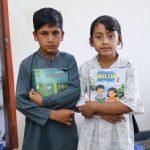
For these children, simply providing a school place may not be enough. They may require learning materials, family counselling, health support, documentation assistance, skills training or connections to specialized services.
IRM therefore combines education with practical support for children and their families. Its aim is not merely to remove a child from the street temporarily, but to address the barriers that prevented that child from entering or remaining in education.
A Broader Organization with a Strong Child-Focused Portfolio
IRM is best described as a multi-sectoral development and capacity-building organization with a substantial child- and youth-focused portfolio. Its wider work encompasses livelihoods, skills development, women’s empowerment, institutional strengthening, climate resilience, education and community development.
These areas are deeply interconnected. When parents have sustainable livelihoods, children are less likely to enter hazardous labour. When women are empowered, families are more likely to invest in children’s health and education. When communities are better prepared for disasters, children face less disruption, displacement and exploitation. When adolescents acquire employable skills, they enter adulthood with greater confidence and independence.
This integrated approach allows IRM to support not only the individual child but also the family and community structures that influence the child’s future.
For IRM, bringing a child from the street into a classroom is not the conclusion of the journey. It is the beginning of a longer commitment to protect that child, support their health, strengthen their learning, develop their potential and prepare them for a dignified and productive life.
Because every child who enters a classroom carries more than a school bag. That child carries dreams, possibilities and the promise of a better Pakistan.